Rummy Comparison: Fast Exit Versus Flexible Build
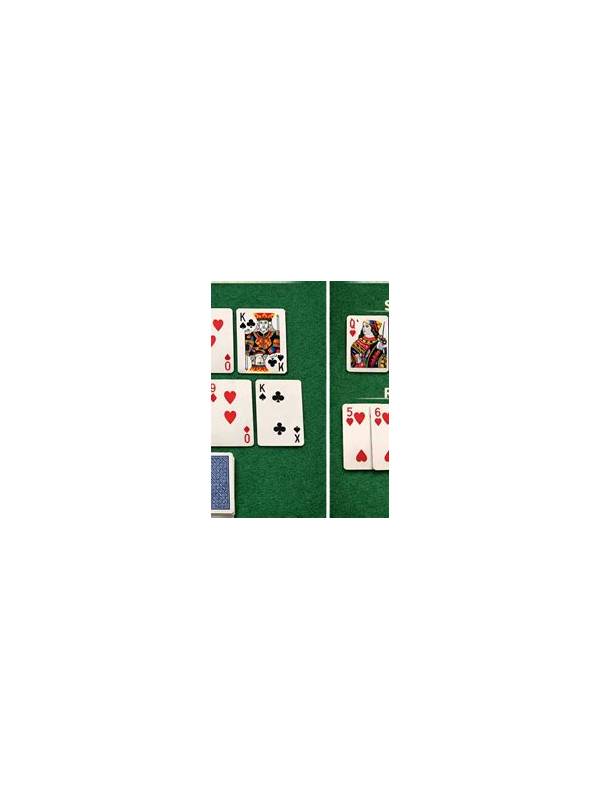
Rummy hands often present a choice between a fast exit and a flexible build. A fast exit concentrates on completing a legal arrangement with as few remaining decisions as possible. A flexible build keeps several connections alive so the hand can respond to new information. Both approaches have a place, but they solve different problems.
The fast-exit approach is useful when the hand already contains strong evidence. You may have a nearly complete pure sequence, a confirmed set, and only a small number of doubtful cards. Reducing the number of unfinished jobs can lower the chance of ending with expensive leftovers. The risk is committing to a narrow route before its key card is realistically available.
A flexible build is useful when the opening hand is fragmented or when several routes have similar strength. Holding connectors that serve more than one purpose can let a new draw decide the direction. The risk is clutter. Flexibility is not the same as keeping every pair; a route that needs one exact card and has no backup is only a fragile possibility.
Compare the approaches with four questions. How many cards must each route still receive? How many different cards can help? What is the cost of discarding the cards outside the route? What happens if the next two draws do not cooperate? The route with the most attractive final shape is not necessarily the route with the best answers to these questions.
Timing is decisive. Early in the hand, flexibility can be worth the extra mental work. Near the end, a fast exit usually deserves more weight because there is less time to test a wide plan. A player can also switch approaches: use a broad build while evidence is limited, then narrow the hand when one route clearly leads.
Review the choice by asking whether you changed approaches at the right time. Did you keep flexibility after one route became clearly stronger? Did you force a quick finish while better information was still likely to arrive? This review is more valuable than labeling one style universally correct.
The practical lesson is to match the approach to the hand’s evidence and the remaining time. Fast exits reduce unfinished work; flexible builds protect against uncertainty. Deliberately choosing between them makes the hand easier to manage and the final result easier to understand.