Rummy FAQ: What Should a Beginner Record After a Loss?
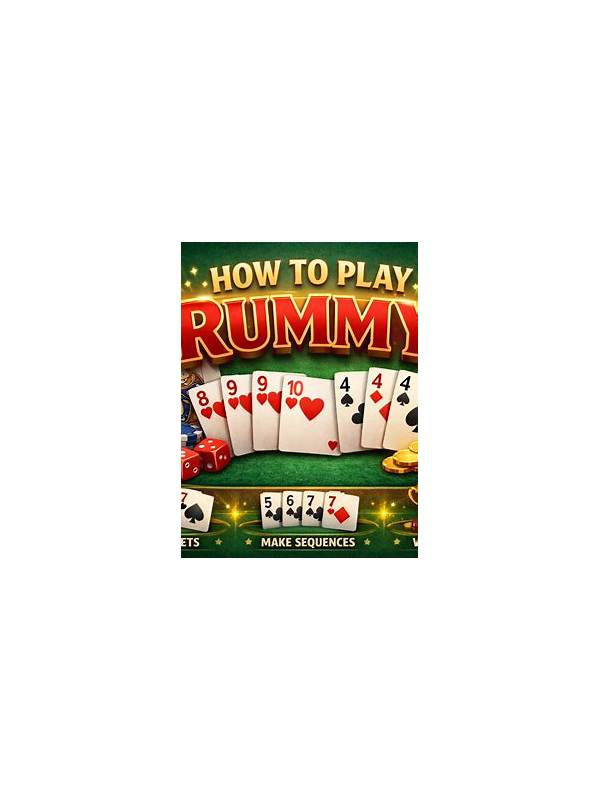
After a losing rummy round, beginners often remember the last discard and assume it caused everything. That memory can be useful, but it is incomplete. A better review records a few decision points without turning the result into a verdict about your ability.
Begin with the hand’s final shape. Note which melds were complete, which routes were unfinished, and which cards remained isolated. This shows whether the main issue was legality, slow improvement, or too many competing plans. If a legal requirement was missed, write the rule or check that should have caught it.
Next, record the first moment when the hand became difficult. It might be an early pair that received no support, a tempting high card that stayed too long, or a discard that removed your only backup route. Describe the situation in plain language. “I kept this because it might help” is more useful than “I played badly.”
Write down one alternative that was available at the time. Do not list every possible move. Choose the nearest realistic alternative and explain what evidence would have supported it. This prevents hindsight from inventing a perfect solution from information you did not have during the round.
Separate decision quality from outcome. If you chose a route with several helpful cards and the needed card never arrived, the result may be unlucky rather than careless. If you held a narrow route without checking other options, the decision can be improved even if the hand might still have won. Keeping these ideas separate makes practice more honest.
Finish with one action for the next round. Examples include sorting before selecting a route, setting a deadline for a doubtful card, or checking the required sequence before declaring. One action is enough. A list of ten corrections is difficult to remember and can make play tense.
If losses are causing anger, urgency, or a desire to recover money immediately, stop the review and take a break. Analysis works only when you are calm enough to read the hand accurately. A short record made with a clear mind can turn a disappointing result into a useful lesson without encouraging a longer or riskier session.