Rummy Practice: Use a Blank Hand Worksheet
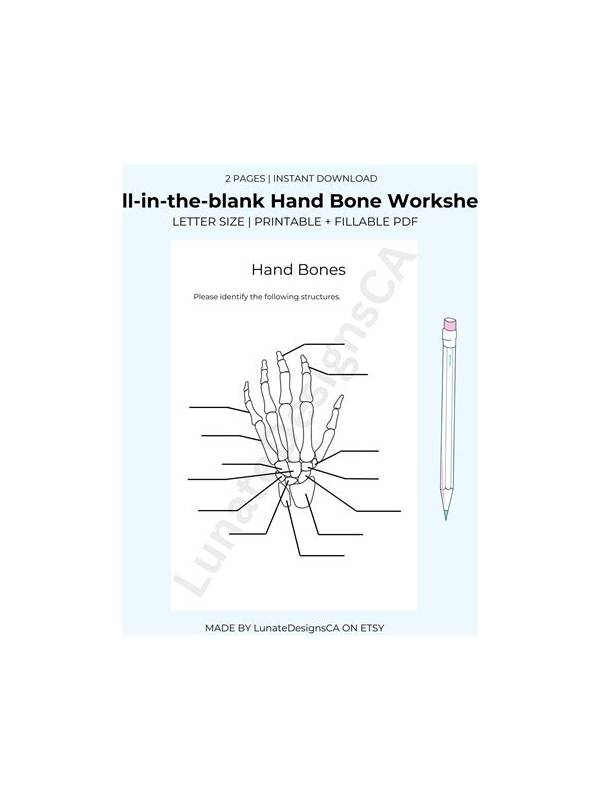
A blank hand worksheet is a quiet way to practice rummy away from a live table. Draw columns for card, current role, useful draws, risk if held, and review time. Then create a sample hand using a random deal, a deck, or a digital practice tool. The purpose is to rehearse clear thinking, not to predict a particular outcome.
Begin by recording every card without arranging a perfect solution. Mark cards that form an existing sequence or set, cards that could connect in two directions, and cards that are isolated. Write the useful draws in plain language. “Any seven of this suit” is more helpful than “needs improvement,” because it lets you compare routes.
In the next column, estimate the cost of holding each card. A high isolated card may carry more risk than a middle card with several exits. A pair may be valuable, but it can also block two flexible cards from being used together. Keep estimates relative rather than pretending they are exact probabilities.
Choose a hypothetical draw and update the worksheet. Circle the route that improved, cross out any card that is no longer useful, and write the discard you would consider. Then reveal a different draw and repeat. Compare your process with the result only after you have documented the reasoning. A good decision can lose, and a poor decision can win.
Finish by writing one lesson that applies to the next hand, such as “I kept two narrow routes too long” or “I ignored the cost of breaking a pair.” Keep the worksheet short enough to reuse. With regular practice, the categories become mental habits: structure, exits, risk, and review point. That is more durable than memorizing a single lucky sequence. Make the worksheet honest by including uncertainty. If you do not know whether a route is still available, write “unknown” rather than assigning it a favorable chance. You can also create two versions of the same hand: one where the next card helps and one where it does not. Compare the discard decision in both versions. This teaches you to value resilience, not just the best-case outcome. Keep completed sheets for a week, then review several together. Repeated patterns are more useful than a dramatic single example, and they can guide the next practice drill. The worksheet should sharpen judgment, not become a scorecard for self-criticism after an unlucky result. Review the process, not just the outcome, and keep the exercise focused on one decision at a time.