Rummy Tips: Read the Discard Pile from Bottom Up
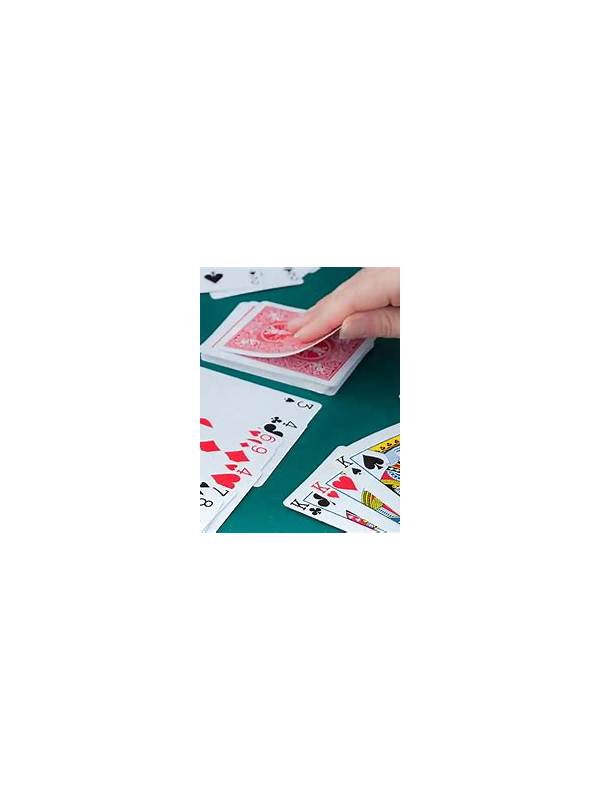
The discard pile can become a long and distracting list. Reading it from the bottom up gives you a simple order: start with the newest visible cards, then move backward only when an older detail matters. Recent discards are usually more relevant to current plans because they show what players have just chosen not to keep.
First identify the last few cards that are available under the table’s rules. Ask whether any would complete or extend a route in your hand. If a card helps, compare its value with the card you would release. Taking a card only because it is attractive can expose a better structure or create an awkward hand, so connect every pickup to a stated plan.
Next look for patterns in the recent pile. Several neighboring ranks may suggest that a route has been contested or that a player is not using that area. A sequence of high cards may tell you that those values are being released, but it does not prove why. Keep observations separate from assumptions about another player’s exact hand.
Older discards have a different use. They help you count which cards have already appeared and can show that a tempting route has fewer copies left. Do not give an old card the same priority as a fresh one unless the format makes that information especially important. Too much historical detail can slow a decision that needs only a basic comparison.
Practice the routine until it takes a few seconds: newest card, useful route, replacement cost, then older evidence if needed. This creates a consistent reading habit without requiring perfect memory. The discard pile is a timeline, not a set of instructions. Let it inform your plan while leaving room for cards and intentions you cannot see. If the pile is difficult to read on a small screen, adjust the display before playing or use the platform’s accessibility settings. Do not rush because you are embarrassed to review it. A short pause to identify the latest card is usually more useful than a fast pickup based on a misread rank. In practice, cover older cards and test yourself on the newest three, then reveal the rest and compare. This trains selective attention. The goal is a repeatable glance that preserves information quality without making the whole table feel like a memory contest. Selective reading is especially useful when the interface shows more history than you can comfortably process during one turn.