
Rummy Low-Card Value: More Than Just Small Penalty
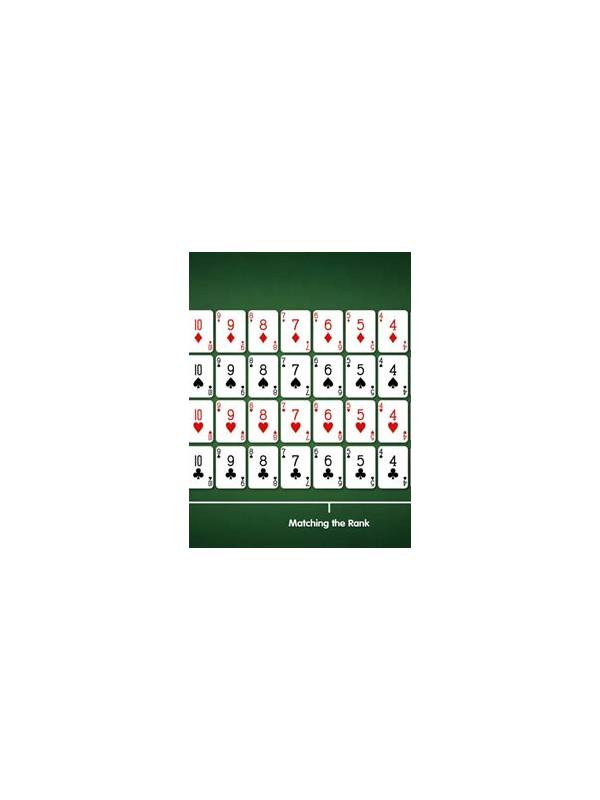
Low cards often feel safe because they carry fewer points in many rummy scoring systems. That instinct is useful but incomplete. A low card can be valuable when it completes a sequence, or it can be dead weight when it has no realistic connection. Value comes from both penalty and structure.
Begin by checking the card’s neighbors in its suit. A low card near another low card may form a sequence, while an isolated ace or two may have few useful destinations depending on the rules. Then inspect same-rank possibilities. If a card supports two routes, it deserves more attention than its point value alone suggests.
Compare the low card with a higher loose card. The higher card may be the safer discard because its penalty is greater, but not if it is one step from a strong natural group. Conversely, a low card kept only because it feels harmless can consume a slot that would otherwise hold a flexible connector.
Consider endgame risk. When only a few cards remain ungrouped, a low isolated card may still cost points if the opponent finishes first. Do not postpone its evaluation because the number is small. A clean hand is more important than a comforting number.
The best habit is to ask, “What job does this card have?” If the answer is a sequence, set, or backup route, keep it while the route remains credible. If the answer is only “it is low,” compare it with every other candidate. This approach preserves the benefit of low cards without mistaking low penalty for automatic usefulness. n+Further practice should stay bounded. Review the choice after the round, note what information was visible, and decide whether the same approach deserves another test. If the result was frustrating, wait until calm before writing. A process note is more useful than a judgment about luck. Keep the exercise private, respect the table rules, and maintain time and spending limits. The purpose is clearer decisions, not a reason to play longer. n+A useful checkpoint is to ask what you knew at the moment of the decision, what alternative was available, and what rule or boundary applied. This keeps later results from rewriting the situation. If the lesson is uncertain, label it as a question and collect more examples rather than forcing a conclusion. Practice can be free or low pressure; never increase stakes to test an idea. Stop when the planned time ends, especially if attention or mood has changed. Calm repetition, honest comparison, and respect for other players make a stronger foundation than a single dramatic outcome.


