
Rummy Opponent Pace: What Timing Can and Cannot Show
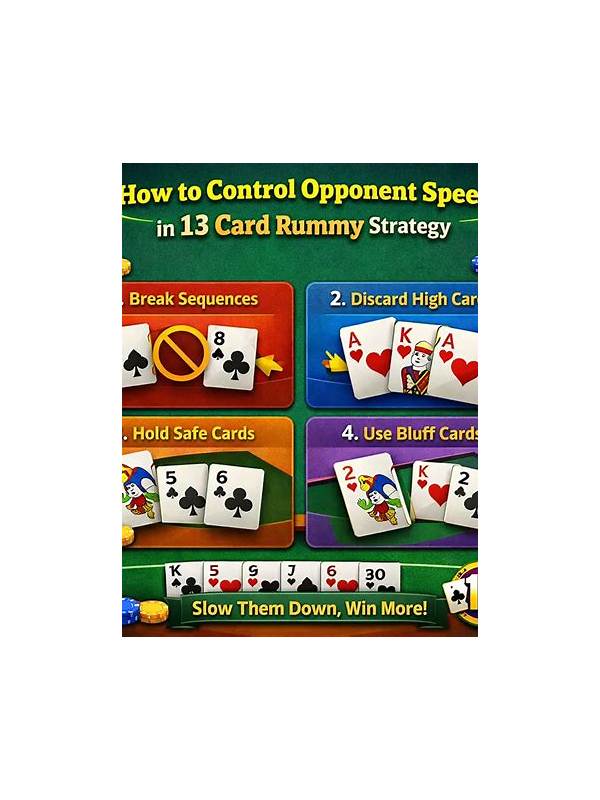
Timing is visible information in many online rummy games, yet it is easy to overinterpret. A quick move can mean confidence, a familiar interface, or a distraction elsewhere. A slow move can reflect a difficult hand, a poor connection, or simple caution. Pace is a clue, not a diagnosis.
Look for changes rather than absolute speed. If a player suddenly takes longer after a specific discard, they may be reassessing, but the same delay may come from a technical interruption. If their pace becomes fast near the end, they may have a settled arrangement, or they may simply be following a routine. Record the change mentally and wait for supporting evidence.
Combine timing with cards that are actually visible. A taken discard, repeated suit pattern, or switch in card values gives pace more context. Even then, keep several explanations alive. Your goal is to make your own discard more robust, not to announce that you know another hand.
Avoid defensive overreaction. Holding every card that might help a quick player can damage your own structure. Use timing to decide when to review a discard, not when to abandon a sound plan. If a timer creates pressure, slow your own checklist to one breath and one comparison rather than matching the other player’s speed.
Timing can also teach you about yourself. Note whether you rush after a loss, deliberate longer with pairs, or make errors near a session limit. That self-observation is more reliable than guessing another player’s cards. Pace matters when it changes your attention, but card decisions and table rules remain stronger evidence. n+Further practice should stay bounded. Review the choice after the round, note what information was visible, and decide whether the same approach deserves another test. If the result was frustrating, wait until calm before writing. A process note is more useful than a judgment about luck. Keep the exercise private, respect the table rules, and maintain time and spending limits. The purpose is clearer decisions, not a reason to play longer. n+A useful checkpoint is to ask what you knew at the moment of the decision, what alternative was available, and what rule or boundary applied. This keeps later results from rewriting the situation. If the lesson is uncertain, label it as a question and collect more examples rather than forcing a conclusion. Practice can be free or low pressure; never increase stakes to test an idea. Stop when the planned time ends, especially if attention or mood has changed. Calm repetition, honest comparison, and respect for other players make a stronger foundation than a single dramatic outcome.


