Rummy Comparison: Open and Closed Sequence Plans
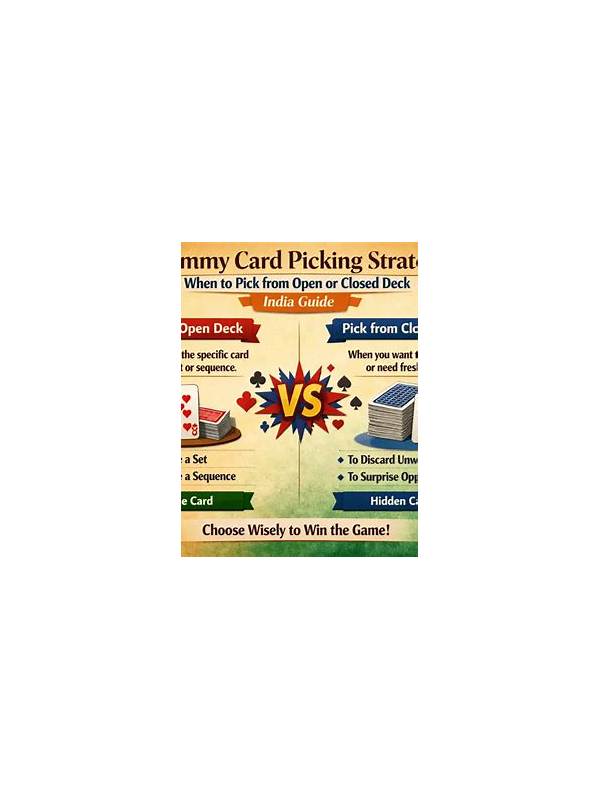
An open sequence plan has useful cards on both sides of its current run. A closed plan needs a card at one particular end or in one particular gap. Neither is always superior, but comparing them helps explain why a hand feels flexible or stuck.
Open plans usually offer more natural follow-up cards. A middle pair can grow upward or downward, and that choice lets you react to the discard pile. The cost is that the plan may remain unfinished for longer, especially if both ends depend on cards other players also want. Keep open plans when they connect naturally to other cards in your hand.
Closed plans are easier to evaluate because their target is specific. If you already hold a strong partial run and one missing rank is visible or likely to circulate, closing it may be efficient. The danger is commitment: once the target disappears, the cards can become expensive passengers. A closed plan deserves extra support before you protect it.
Compare the plans on three measures. First, count distinct cards that improve each one. Second, note whether those cards overlap with other needs. Third, estimate the information your discards reveal. An open plan may preserve options but require you to discard a revealing card; a closed plan may be less flexible but easier to conceal.
The stage of the hand changes the comparison. Early on, open plans generally earn more patience because they preserve choice. Later, a closed plan can be preferable when you need a definite completion and cannot wait for broad improvement. Do not use “open” as a synonym for “good”; use it as a description of available routes.
When forced to choose, keep the plan that improves the most cards with the fewest assumptions. If both plans are similar, favor the one that reduces high-value leftovers or makes your next discard safer. A simple comparison prevents you from defending a sequence merely because you started building it first.
The comparison is also useful when sorting after a draw. Put the open and closed candidates side by side, then identify the card that would be hardest to replace if you abandon either plan. Protect that card only when the plan’s support justifies its cost. This keeps flexibility from becoming aimless hoarding. A plan should earn another turn through evidence: natural support, safe timing, or a clear improvement to the rest of the hand. Keep the comparison brief enough to use during a real turn, and revisit it whenever a new card changes the balance.