Rummy Tips: Count Useful Connections, Not Just Melds
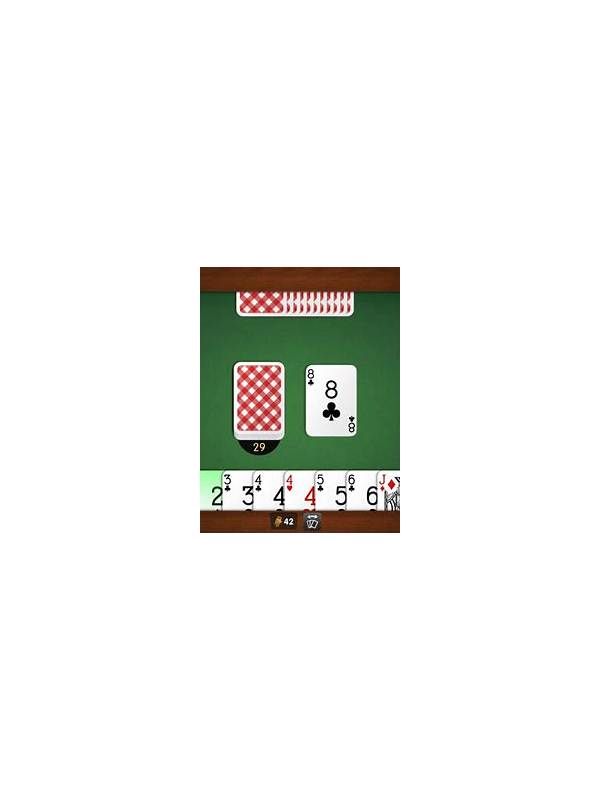
Players often count completed melds to judge progress, but unfinished connections can be just as important. A hand with one completed group and several open routes may be healthier than a hand with two groups and one isolated, high-value card. Count the useful connections behind your plan rather than relying on the number of visible melds.
For each unfinished group, list the natural ranks that would improve it. A middle sequence may have several helpful cards, while a pair may need one exact rank. Do not count every theoretically possible card if an arrival would create a second problem elsewhere. A connection is useful only when it improves the whole hand or preserves a credible next step.
Then identify overlap. One card may help two candidate sequences, which makes it flexible, but it can also create a decision problem if both routes depend on it. Record the overlap separately. A plan supported by many distinct cards is more robust than one supported by several labels pointing to the same scarce card.
Jokers and wild cards need a separate note. They can increase the number of possible completions, but they are limited resources. Count the natural support first, then ask whether a joker would create a stable group or merely hide a weak connection. This prevents a hand from looking stronger than it really is.
Recount after an opponent takes a visible card or after the discard pile changes. A route that was once broad may become narrow. Conversely, a discarded connector may open a practical alternative. You do not need to track the entire deck perfectly; just update the few connections that influence your next discard.
Use the count as a comparison tool, not a prediction machine. If one candidate discard leaves six useful natural connections and another leaves two, the first usually preserves more options. But information, point values, and opponent signals still matter. The best decision balances connection count with safety and timing. This small habit replaces vague optimism with a concrete question: how many realistic ways can this hand improve next?
Avoid double-counting a card that appears in several descriptions. Distinct connections are the useful unit, because the same missing rank cannot arrive twice for two different purposes. You can also mark connections as immediate or delayed. An immediate connection completes a group now; a delayed one needs another card first. This refinement is especially helpful when two plans have similar totals but one can become valid sooner. The count remains simple, yet it gives your comparisons more precision.