
Rummy Training Goals That Can Be Measured
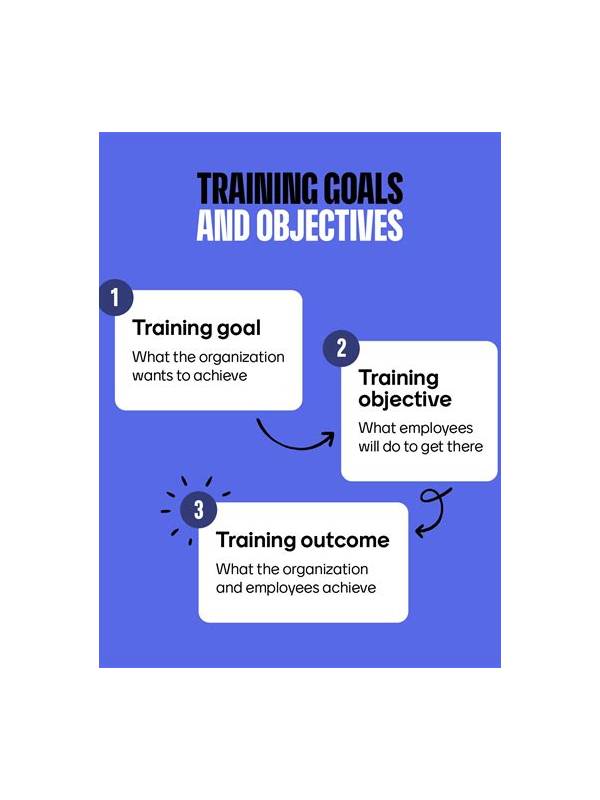
Wins and losses are visible, but they are noisy measures of improvement. A better training goal describes a decision process that you can observe. Measurable goals make practice calmer because they do not require a particular draw or opponent to cooperate.
Choose one behavior. Examples include performing an opening scan before the first discard, naming two candidates in a close choice, or checking every group before declaring. Keep the goal narrow enough to remember during play. “Play better” is not measurable; “review my weakest developing group after each draw” is.
Count opportunities, not only successes. If the goal is to compare discard candidates, record how many close decisions you handled and whether you made the comparison. A poor result after a completed process is different from skipping the process entirely. Review the quality of reasoning separately from the outcome.
Use a small sample. After five or ten rounds, inspect whether the habit was practical and whether it revealed a repeated issue. Adjust the goal if it slows play without adding clarity. Once a behavior becomes automatic, replace it with the next specific weakness rather than stacking many rules at once.
Keep financial boundaries outside the performance score. A good training session is not a reason to increase stakes, and a bad result is not a reason to chase. Process goals help in free practice, low-pressure play, or a structured review. They turn improvement into evidence you can examine rather than a story told by the last hand. n+Further practice should stay bounded. Review the choice after the round, note what information was visible, and decide whether the same approach deserves another test. If the result was frustrating, wait until calm before writing. A process note is more useful than a judgment about luck. Keep the exercise private, respect the table rules, and maintain time and spending limits. The purpose is clearer decisions, not a reason to play longer. n+A useful checkpoint is to ask what you knew at the moment of the decision, what alternative was available, and what rule or boundary applied. This keeps later results from rewriting the situation. If the lesson is uncertain, label it as a question and collect more examples rather than forcing a conclusion. Practice can be free or low pressure; never increase stakes to test an idea. Stop when the planned time ends, especially if attention or mood has changed. Calm repetition, honest comparison, and respect for other players make a stronger foundation than a single dramatic outcome.


