Rummy Tips: Use a Two-Question Draw Test
A new card can feel valuable simply because it gives you another arrangement to consider. That feeling is not always useful. A two-question draw test can keep decisions focused: does the card improve a legal combination, and does it reduce the risk of the hand? If the answer to both is no, the draw may only be adding noise.
The first question concerns structure. Can the card complete a sequence, create a set, or make an existing group more flexible? A card that turns a pair into a group has a clear structural benefit. A card that sits beside an unrelated card but does not create a realistic continuation may have little value. Look at the whole hand after the draw instead of admiring the new card alone.
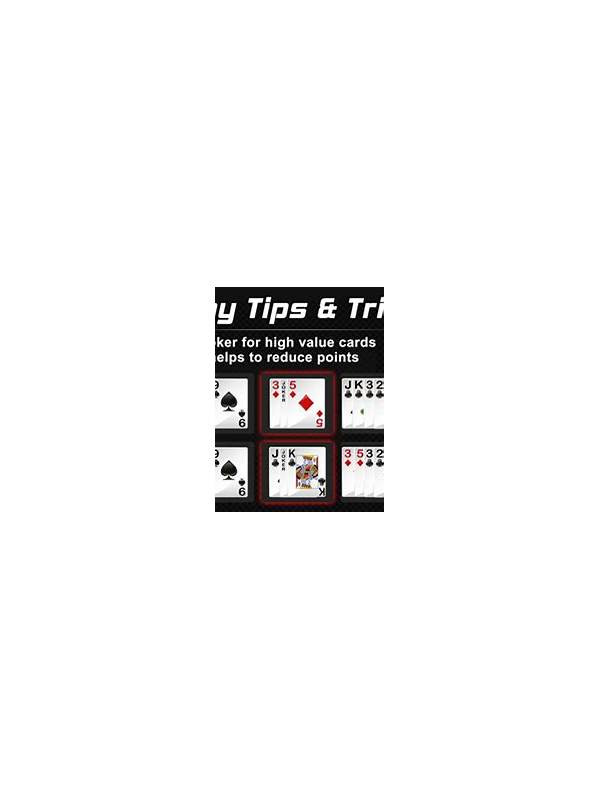
The second question concerns risk. Does keeping the card lower the points tied up in weak or isolated cards? Does it give you a safer discard next turn? A useful draw can improve both the combination map and the exit plan. Sometimes a modest card is valuable because it allows a high card to leave. Other times a flashy card creates a new dependency and makes the hand harder to finish.
Apply the test before sorting the cards into a new layout. Pause with the drawn card separate and answer the questions aloud or in a short note. If the card passes one question but fails the other, compare it with the card you would discard. Keeping it may still be correct, but the reason should be specific. For example, you might accept a narrow sequence card because it replaces a high-value singleton.
The test should not be used mechanically when a forced move exists. If a table rule or a nearly complete legal arrangement clearly determines the choice, follow that information. The test is most helpful when several cards compete for limited hand space.
After a session, review three draws and write which question each draw passed. This practice reveals a common error: focusing on combination potential while ignoring the cost of holding the card. Over time, the two-question test becomes a compact habit that makes draws more deliberate without slowing every turn.
The questions also work when a card appears to solve a problem. A completion may improve structure but leave a high-value singleton untouched, while a less exciting draw may create a useful exit. Compare the complete arrangement, not just the immediate match. Record the card, the two answers, and the discarded alternative. This gives you a small sample to revisit and helps identify whether you overvalue completion or undervalue risk reduction.