
Rummy Strategy: Preserve a Flexible Middle Pair
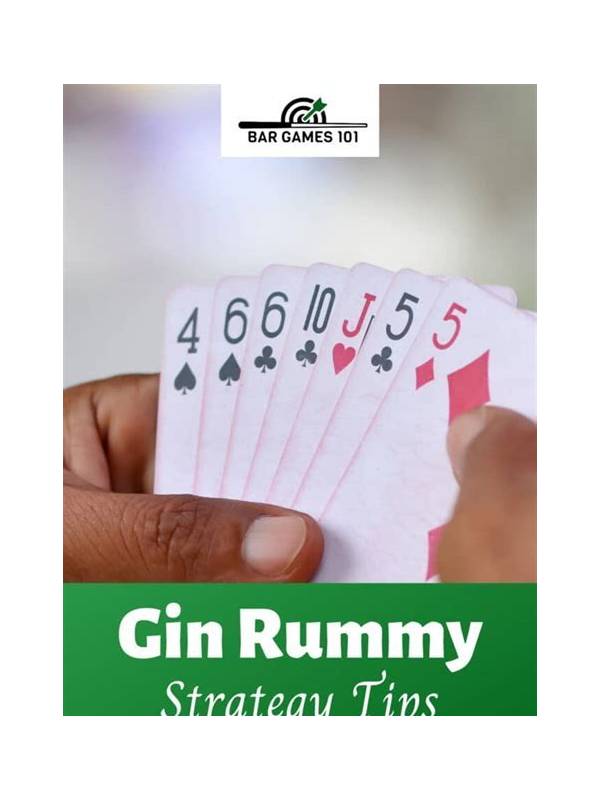
Count live placements rather than trusting the pair’s attractive appearance. Reassess when visible cards change. Flexibility is evidence-based, not permanent.
Do not let the word “flexible” hide a weak arrangement. Count the actual legal placements and compare them with the placements available to another card. If both members of the pair depend on the same unavailable connector, the pair is less flexible than it looks. Clear counting turns a visual impression into a decision you can revisit when the discard pile changes.
Middle-rank cards often have more neighboring possibilities than edge cards, which can make a pair look especially valuable. A flexible middle pair may grow in more than one direction or connect with several cards. That flexibility is useful, but it is not a reason to protect the pair forever. The pair must still compete with the rest of the hand for space and attention.
Start by listing the pair’s realistic connections. Can each card join a sequence, a set, or both under the rules? Are the needed connectors still plausible, or have several already appeared? A pair with multiple live directions is stronger than one that depends on one exact rank. If the two cards are from different suits, consider whether they support separate plans or merely create two unrelated hopes.
Compare the pair with your other developing groups. Preserve it when it adds flexibility without blocking a clearer structure. Reconsider it when it forces you to hold several isolated cards, when a required group remains unfinished, or when its useful connectors become limited. A middle pair is an option, not an obligation. Give it a review deadline just as you would any speculative plan.
Discard decisions should also consider exposure. If the pair is low value and has no useful fallback, releasing one card may be harmless. If it is high value, holding both can increase the cost of a failed plan. Avoid making the choice solely to prevent another player from seeing a rank. Your own hand structure and the available evidence should carry more weight than an imagined opponent reaction.
The practical test is simple: if a new card arrives, can you name at least two sensible ways the pair might help? If yes, keep monitoring it. If no, move it into the discard comparison. This approach keeps flexibility grounded in actual options and prevents a promising middle pair from becoming a comfortable excuse to postpone a difficult decision.


