Rummy Strategy: Use a Discard Deadline for High Cards
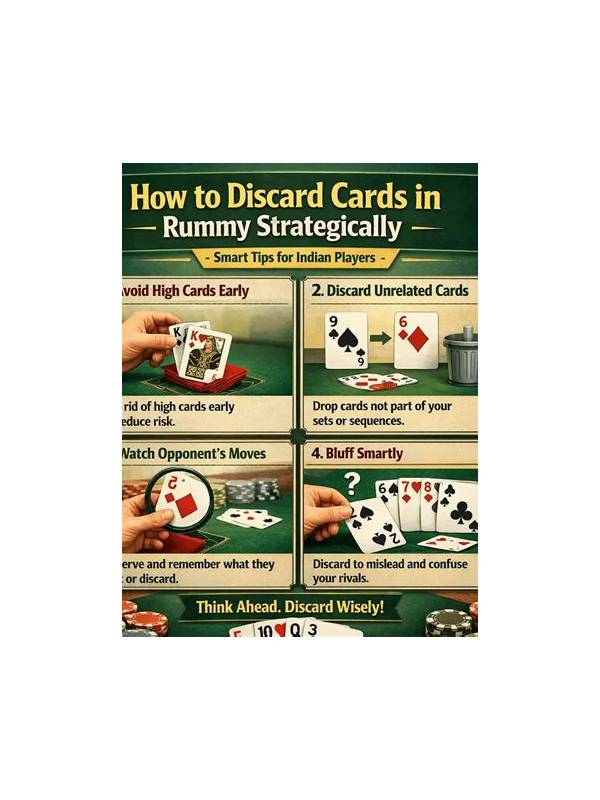
High cards can be valuable connectors, but they can also become expensive passengers. The difference is not their face value alone; it is whether they have a realistic path into a legal group. A discard deadline turns that judgment into a repeatable decision.
Begin by identifying high cards without strong support. A high card next to a same-suit neighbor may have multiple routes, while an isolated high card may need two exact links. Do not discard every isolated high card immediately if it is part of a requirement you still need to satisfy, but mark it for review.
Choose a deadline based on the hand’s stage. Early in the hand, give a flexible connector a few turns to develop. In the middle, shorten the deadline if you are carrying several expensive cards or if opponents appear close to finishing. Late in the hand, keep a high card only when it directly supports a near-complete legal structure or has unusually strong evidence behind it.
At each review, ask three questions. Has the card gained a connection? How many realistic draws can still improve it? What is the cost of keeping it for another turn? Include cards already visible in the discard pile when estimating realistic opportunities. A theoretical out that has appeared elsewhere should not receive full credit.
Compare the high card with the alternative discard. A low card may be easier to release, but it could be the only bridge between two useful groups. A high card may be safer to keep if it blocks an opponent’s obvious plan. The deadline is a prompt to compare, not an automatic command.
Do not let a deadline become emotional punishment. If a new draw changes the structure, reset the evaluation and record the reason. The goal is to manage point exposure, not to prove that an earlier keep was wrong. A good process can produce different choices in different hands.
This strategy works best alongside a legal-group checklist. Confirm that discarding the high card will not leave you unable to form a required pure sequence or other mandatory structure. When the card has no clear job and the deadline has arrived, releasing it often buys room for a more practical plan.
Review the deadline after a meaningful change, not after every tiny fluctuation. A card that becomes part of a confirmed group earns a new evaluation, while a missed draw usually does not require a complete rewrite of the hand. This balance keeps the rule firm enough to prevent drift but flexible enough to respond to real evidence.