Rummy Strategy: Build a Contingency for Your Best Plan
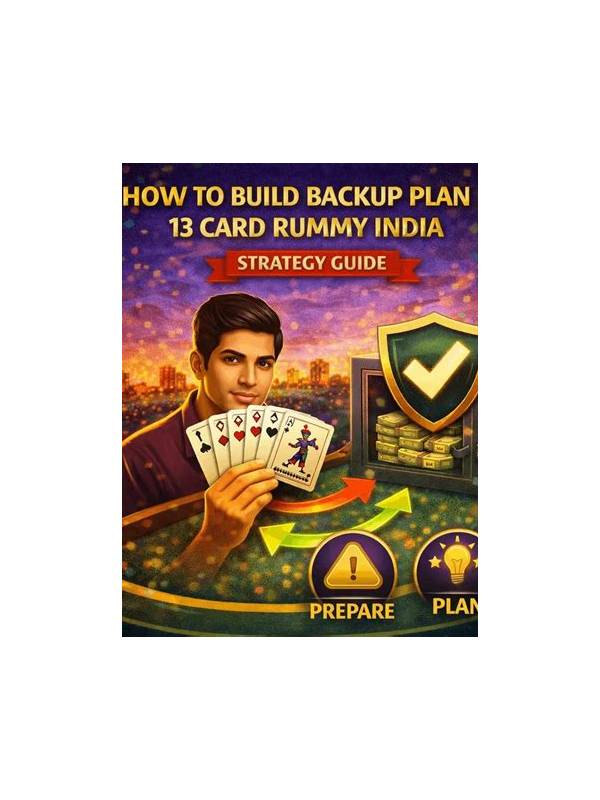
Strong hands can still fail when they depend on one card arriving at the right time. A contingency is not a second complete strategy; it is a prepared response if the main project stops being realistic. Building one early makes later decisions calmer and more objective.
Identify the main plan in one sentence, such as “complete this sequence and use the remaining cards for a set.” Then name its dependency. Does it need a specific rank, a suit connection, or a joker? If the plan requires one narrow card, decide in advance how long you will wait and what evidence would make you switch.
The backup should use cards already in your hand whenever possible. It might involve preserving a pair while releasing an isolated high card, converting a wide run into a safer group, or prioritizing points reduction when a valid declaration is no longer close. A contingency that requires several new cards is another primary plan, not a practical backup.
Set a review point after a draw or two. At that point, compare the original dependency with the visible information. Has a needed card appeared elsewhere? Did the new card create a better route? Is the hand deadline approaching? Switch when the evidence changes, not when frustration peaks. Keeping a backup does not mean abandoning the best plan prematurely.
After the round, judge the contingency by process. Did it reduce the number of isolated cards? Did it protect the required structure? Did it prevent an emotional chase? Write down one threshold that would make the switch earlier or later next time. With practice, contingencies become ordinary planning, allowing you to stay flexible without treating every draw as a crisis.
Keep the backup modest enough to remember. A useful contingency might be a single discard priority or a deadline for abandoning a narrow draw. If your backup contains many branches, it will compete with the main plan and create more hesitation. Review it after each meaningful draw, then return attention to the current hand. Flexibility works best when it reduces complexity rather than adding another elaborate system.
Write the contingency in conditional form: “If this needed card becomes unlikely, I will release the weakest dependent card.” That wording makes the trigger visible and prevents a vague feeling from deciding the switch. The backup should still respect the table’s rules, your time boundary, and any financial limit. Planning for uncertainty is useful only when it remains responsible.