Rummy How-To: Make a Last-Three-Cards Checklist
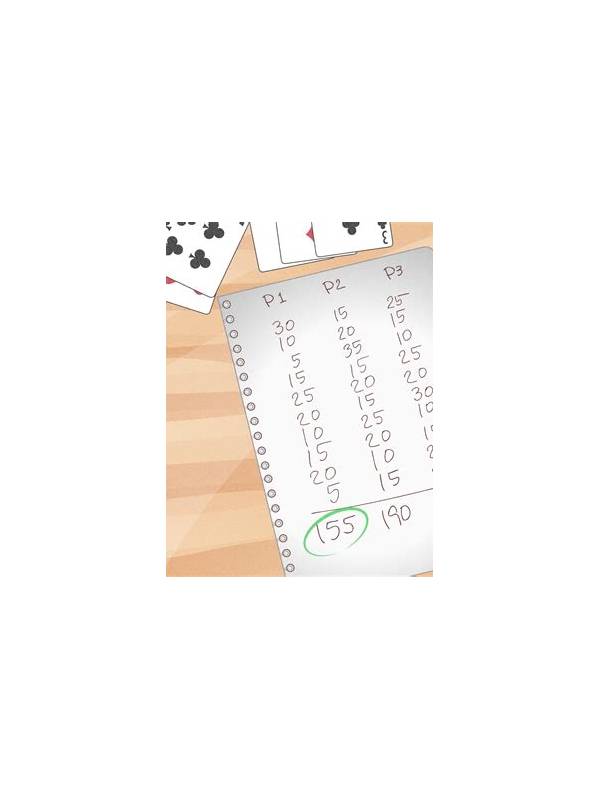
The final three cards in a hand deserve a slower review even when the timer is moving. A compact checklist reduces the chance that an attractive group hides a missing requirement or an unnecessary high-card risk.
First identify every confirmed group. Say which cards form a pure sequence, which form a sequence using a permitted wild card, and which form a set. Do not rely on visual alignment alone. Check ranks and suits explicitly, especially on a small screen or after several rearrangements.
Second count the unresolved cards. If one card is still isolated, ask whether it can join a group immediately or whether it should be discarded. If two cards remain together, confirm that they are a real pair or connector rather than merely neighboring ranks. The goal is to know exactly what each card is doing.
Third inspect the required structure. Some formats require a particular number of sequences or at least one pure sequence. Confirm that requirement before considering a declaration. A hand can look nearly complete while still missing the rule that matters most.
Fourth compare the final discard choices. If you have a choice, consider both the card’s penalty value and the information it gives to others. Keep the choice simple: choose the card that leaves a valid structure and the lowest practical exposure. Do not use the last moments to invent a complicated new plan unless the current one is clearly invalid.
Fifth check the action itself. Are you drawing or discarding at the correct stage? Is the declaration control visible and enabled? Has the interface registered your latest selection? Technical uncertainty should be handled before committing, not after a failed declaration.
Practice the checklist in low-pressure games so it becomes automatic. You can shorten it to “groups, loose cards, requirements, discard, action.” The words are less important than the order. A fixed sequence protects you from skipping the requirement check because the hand looks attractive.
The checklist is not a prediction tool. It cannot change the cards already drawn. Its value is procedural: it gives the last decision the same careful treatment as the first, making avoidable errors less likely when attention is most compressed.
If the checklist exposes an invalid hand, do not panic. Use the remaining time to identify the smallest repair: change one group, release one loose card, or abandon an unsupported route. A calm repair is more useful than rearranging every card. If no repair is available, avoid a rushed claim and consult the rules for the proper action.