Rummy Guide: Track a Hand With Landmarks
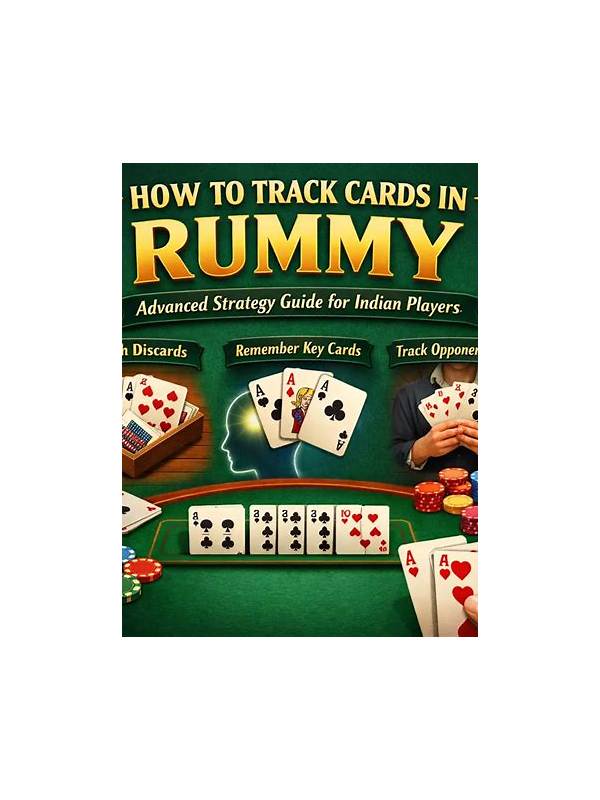
Hand review does not require a perfect memory of every card. A landmark system records a few changes that explain how the plan developed. This is useful for practice because it turns a vague feeling about a hand into a sequence of decisions. Landmarks should describe your own choices and visible information, not claim certainty about hidden cards.
Choose four landmarks: the opening structure, the first meaningful improvement, the first warning sign, and the final decision. At the opening, record the strongest natural connection and the rule requirement that still needs attention. When improvement arrives, note which draw created it. This shows whether the hand benefited from a flexible plan or from a narrow, lucky link.
The warning sign is often more valuable than the win or loss. It might be three turns spent protecting one pair, a rising pile of isolated cards, or a discard that revealed too much. Describe the sign neutrally. “Held one gap too long” teaches more than “played badly.” The final landmark records why you kept or released the key card.
After the round, compare the landmarks with your original plan. Did the opening structure deserve protection? Did the warning sign appear earlier than you noticed? Did the final decision follow the rules and the information available at that moment? Separate decision quality from result quality. A sound choice can lose, and a weak choice can work by chance.
Keep the record short enough to use regularly. Four lines in a notebook or private note are sufficient. Do not include account details, payment information, or other sensitive data. Review several hands together and look for repeated patterns. Landmarks help you find one practical adjustment at a time, which is more sustainable than trying to memorize every possible rummy situation. Use neutral labels for landmarks. “The third draw opened a second route” is more useful than “the hand turned lucky.” Neutral notes also make it easier to compare different formats, because they record process rather than assuming that every table uses identical scoring. If a landmark includes another player’s visible discard, describe only what was observable. Never try to reconstruct or share private information about another person’s account or activity. A landmark should be easy to write in under a minute. If it becomes a long narrative, reduce it to the card relationship or rule issue that mattered most. Short records are more likely to be repeated, and repeated records reveal habits that a single dramatic hand can hide.