
Rummy Guide: Read the Table Before Choosing a Draw
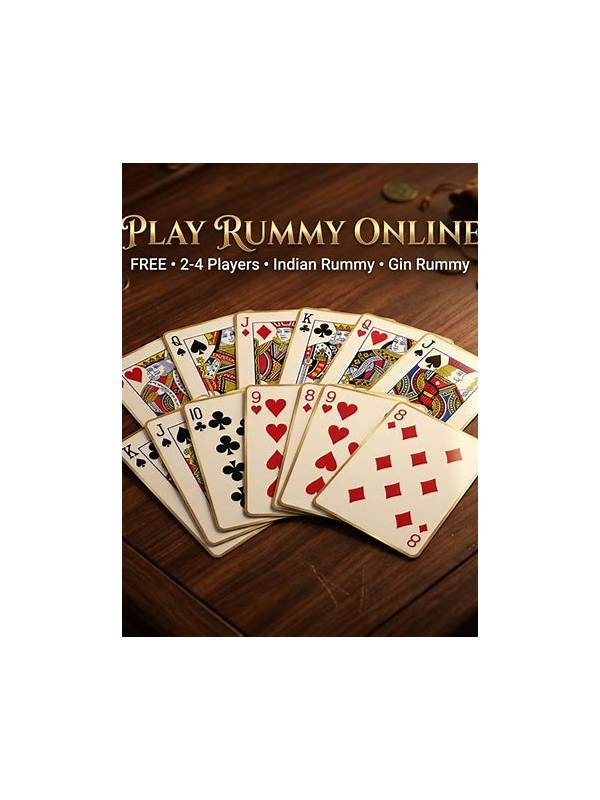
Choosing between the stock and discard piles is one of the most repeated decisions in rummy, yet it is easy to make it mechanically. A better approach is to read the table first. The visible cards, recent discards, and opponents’ reactions can change the value of the same draw from one turn to the next.
Begin with your own hand. Identify the cards that already belong to a dependable sequence or group, then mark the cards that could connect to more than one plan. A middle card may extend a run in either direction, while a pair may become a set but usually has fewer immediate routes. This quick classification tells you whether you need a precise card or simply want to improve flexibility.
Next, inspect the discard pile. The top card is not valuable only because it fits your hand. Taking it also tells other players what you are building. Ask whether the improvement is large enough to justify that information. If the card completes a sequence or removes a dangerous high card, the answer may be yes. If it merely turns a weak pair into a hopeful one, drawing unseen cards can be safer.
Look at the rhythm of the table. A player who repeatedly ignores cards from one suit may be avoiding that suit, or may simply be following a different plan. Do not treat one pass as proof. Several related discards provide a stronger clue. Also note whether the discard pile is becoming rich in connected cards. When many neighboring ranks appear, holding a flexible middle card becomes less attractive because opponents may already be collecting the same area.
Use a three-question pause before drawing: What does this card improve immediately? What information does taking it reveal? What will I discard if the next two turns miss? The third question prevents a tempting pickup from creating a cramped hand.
Finally, remember that a table read is a probability aid, not a prediction. Hidden cards remain unknown, and opponents can deliberately vary their discards. Use observations to compare choices, then select the move that leaves your hand easiest to repair. The goal is not to guess perfectly. It is to make each draw with a clear reason and a manageable fallback.


