
Rummy FAQ: When Is a Card Functionally Unusable?
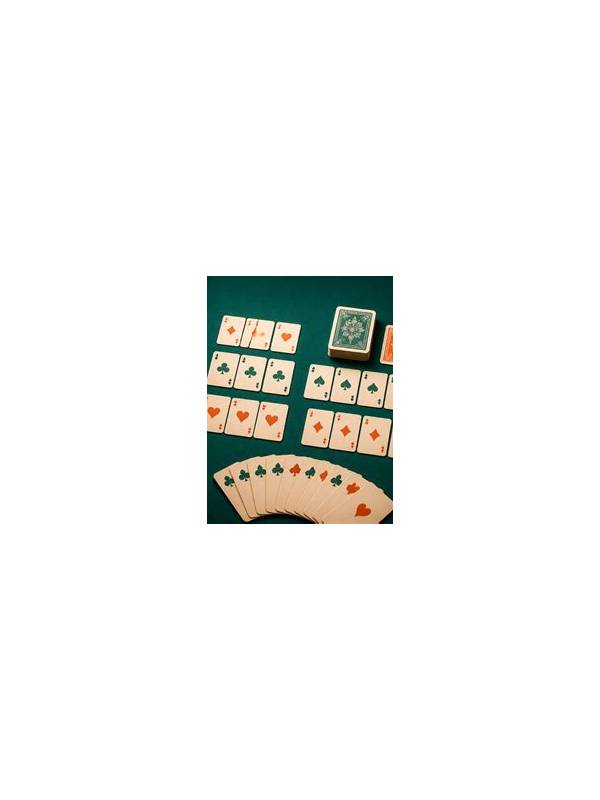
The label is temporary and should change when the hand changes. Recheck it after every useful draw.
The label should also remain private and practical. Do not announce that another player has a dead card, and do not assume a discarded card was worthless simply because you would not use it. Different hands create different values. Use the idea to simplify your own discard list, then return to the formal rules and visible evidence whenever a new card changes the structure.
A dead card is a card that has little realistic value in the current hand. It may be isolated, blocked by visible information, or disconnected from the groups you can reasonably build. The term is not absolute. A card that looks dead early can become useful after a draw, while a card in a pair can become dead when the surrounding plan collapses.
Check three things before using the label. First, ask whether the card belongs to any valid group you can currently see. Second, ask how many different cards could make it useful. Third, ask whether those improvements remain plausible given the visible discards and the stage of the hand. A card with one theoretical connection is not necessarily worth holding if every alternative is narrow.
High-value dead cards deserve special attention because they can increase the cost of a bad ending. However, point value is only one factor. A low-value card can also be dead if it occupies space needed for a stronger plan. Consider the card’s flexibility, not just its number. Before discarding, check whether it is secretly supporting a pair, a joker arrangement, or a sequence that is already close to completion.
Do not assume an opponent’s discard is dead for everyone. Their hand, format, and plan may differ from yours. Likewise, do not keep a card solely because someone else might want it. Your first responsibility is to build a valid, manageable hand. Defensive choices can matter, but they should be based on visible evidence rather than fear of every possible pickup.
When uncertain, give the card a review deadline. Hold it for one or two turns while watching whether it gains a connection. If nothing changes, move it to the discard candidate list. This avoids both extremes: discarding useful material too quickly and protecting a hopeless card indefinitely. “Dead” is best used as a working description that invites a review, not as a permanent judgment.


