Rummy Comparison: Written Checklists Versus Mental Prompts
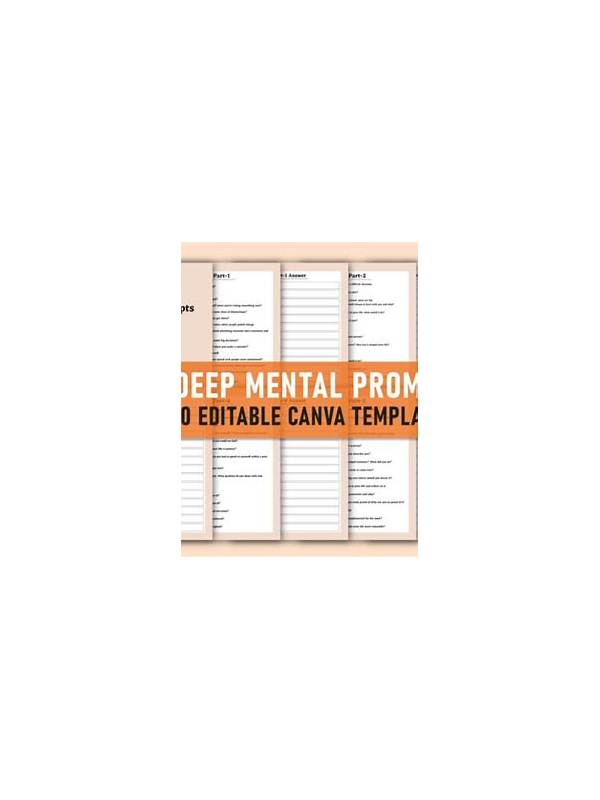
A review checklist can live on paper, on a screen, or entirely in your head. Each method has a useful place, but they solve different problems. A written checklist preserves detail when you are learning. A mental prompt is faster when a timer is running. The best choice depends on whether your priority is accuracy, speed, or building a repeatable habit.
Written checklists are strongest before and after a session. A short card can remind you to verify the format, check the hand count, identify your required groups, and perform a final legality scan. Because the words remain visible, a checklist reduces the chance that an exciting draw will make you skip a basic rule. It also creates a record that can be improved. If you repeatedly miss the same step, add a clearer question rather than simply promising to concentrate harder.
The weakness of writing is friction. A long list can slow a table, split attention, or encourage you to follow a routine mechanically. A checklist should not contain every possible strategy. It should contain only the checks that protect legality, safety, and your current learning goal. Keep it neutral and avoid storing sensitive account or payment information alongside game notes.
Mental prompts are compact. A phrase such as “read, group, compare, release” can fit into one turn without moving your eyes away from the hand. Prompts are useful after the sequence has become familiar. They also work when you are playing a physical game, traveling, or using an interface where opening notes would be distracting. Their weakness is that stress can erase one of the words, especially when the table becomes fast.
A practical progression is to start with a written four- or five-item checklist. Use it during quiet practice, then reduce every item to one verb. After several sessions, test the mental version while keeping the full list nearby for post-game review. If the mental prompt repeatedly misses a step, restore that step temporarily instead of adding more words.
Choose the method by situation. Use writing for learning a new variant, reviewing mistakes, or checking a declaration. Use a mental prompt for ordinary turns and familiar layouts. In both cases, the value comes from asking the same useful questions in the same order. The tool is secondary; consistency is what makes a checklist improve decisions.
Keep the final version short enough to remember and specific enough to use. That balance makes the habit sustainable.