
Rummy Comparison: Digital Notes or Mental Tracking
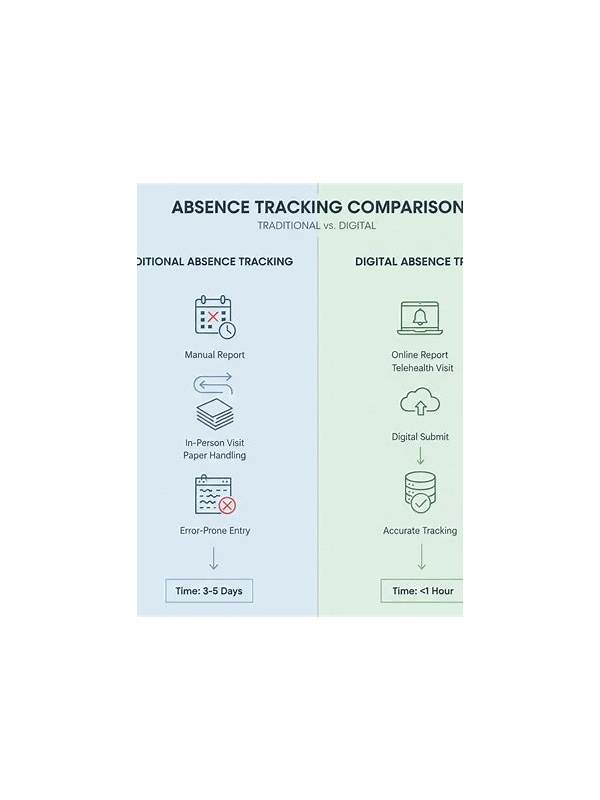
Players use different methods to track a rummy round. Some rely on memory, while others keep a short note of important discards or decisions. Neither method guarantees better play. The useful choice depends on the speed of the table, the rules, and whether note-taking distracts you from the hand.
Mental tracking is fast and does not require another screen or document. It works well for a small number of high-confidence facts, such as a card recently taken from the discard pile or a group you have already completed. Its weakness is overload. As more cards appear, memory may blend similar suits, forget order, or turn an assumption into a supposed fact.
External notes can reduce that load. A simple list of visible high-value discards, your current unfinished groups, and one decision question may be enough. Notes are most useful during practice or a slow private review, where their purpose is learning rather than gaining an unfair advantage. Follow the platform’s rules and do not record private information about other players.
The danger of notes is false precision. Writing down every card can consume attention and encourage you to treat old information as more important than the current hand. A note should be short, dated by the turn if necessary, and easy to revise. Cross out outdated ideas rather than keeping a crowded history that obscures what matters now.
Try a hybrid method. Keep the current hand and immediate choices in your head, while writing only one or two facts that you repeatedly forget. After the round, expand the review into a fuller record: what you drew, what you discarded, which route you considered, and where the hand changed. This separates live play from study and lets you evaluate decisions without rushing.
Choose the method that leaves you more attentive and less confused. If notes make you miss the timer or mishandle your groups, simplify them. If memory repeatedly causes the same error, add a small external aid during permitted practice. The objective is not to track everything; it is to preserve the information that improves the next decision.
Privacy should guide the choice as well. Do not store usernames, payment details, private messages, or identifying information merely to study a card game. Delete practice notes when they no longer serve a purpose, and keep any permitted record on a device protected by a passcode. Good analysis should not create a new security problem.


