
Rummy How-To: Check a Table Before Joining
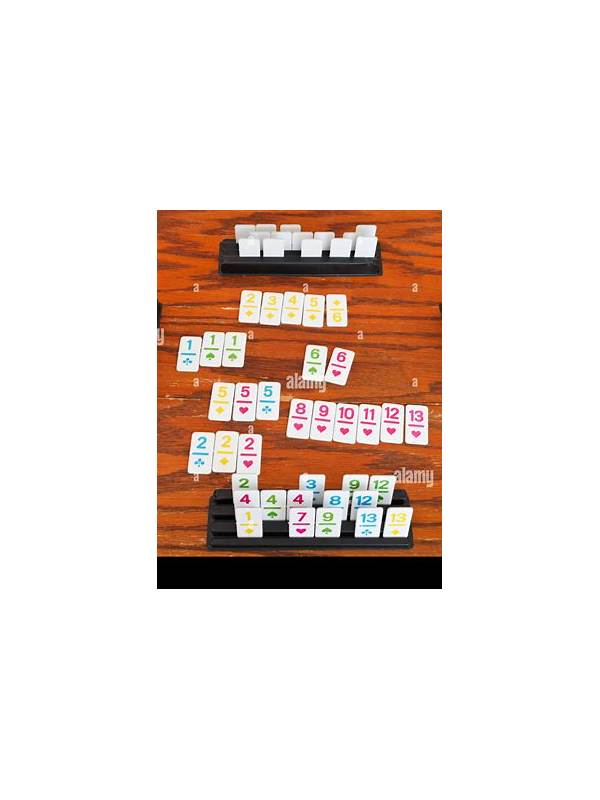
Choosing a table is a decision before the first card appears. A short review can prevent an unsuitable format, unexpected cost, or uncomfortable pace from shaping the session. The same checklist works for online and physical games, with extra attention to platform details online.
Confirm the format, player count, hand size, joker rules, and declaration requirements. Read the table instructions rather than relying on the room name. Then check the turn timer and whether a pause or reconnect process exists. A speed that is comfortable for one player may make careful practice impossible for another.
Review financial terms separately. Identify the entry amount, fees, scoring exposure, and withdrawal or refund conditions. Set an affordable limit before joining and use platform controls when available. Never borrow, chase a loss, or treat a bonus as guaranteed value. Local age and legal requirements may apply.
Inspect the room’s conduct and support options. Look for reporting, blocking, chat controls, and a clear way to handle technical problems. Do not share personal information with other players. If the app or website uses urgent messages, unfamiliar payment requests, or unexplained permissions, leave and verify through an official channel.
Finally, ask whether the table matches your purpose. A fast competitive room is not the same as a learning table, and a social game is not automatically suitable for money play. Join only when the rules, pace, cost, and safety process are clear. If any major point remains uncertain, choose a safer practice setting or wait for clarification. n+Further practice should stay bounded. Review the choice after the round, note what information was visible, and decide whether the same approach deserves another test. If the result was frustrating, wait until calm before writing. A process note is more useful than a judgment about luck. Keep the exercise private, respect the table rules, and maintain time and spending limits. The purpose is clearer decisions, not a reason to play longer. n+A useful checkpoint is to ask what you knew at the moment of the decision, what alternative was available, and what rule or boundary applied. This keeps later results from rewriting the situation. If the lesson is uncertain, label it as a question and collect more examples rather than forcing a conclusion. Practice can be free or low pressure; never increase stakes to test an idea. Stop when the planned time ends, especially if attention or mood has changed. Calm repetition, honest comparison, and respect for other players make a stronger foundation than a single dramatic outcome.


