Rummy Tips: Keep One Plan Flexible
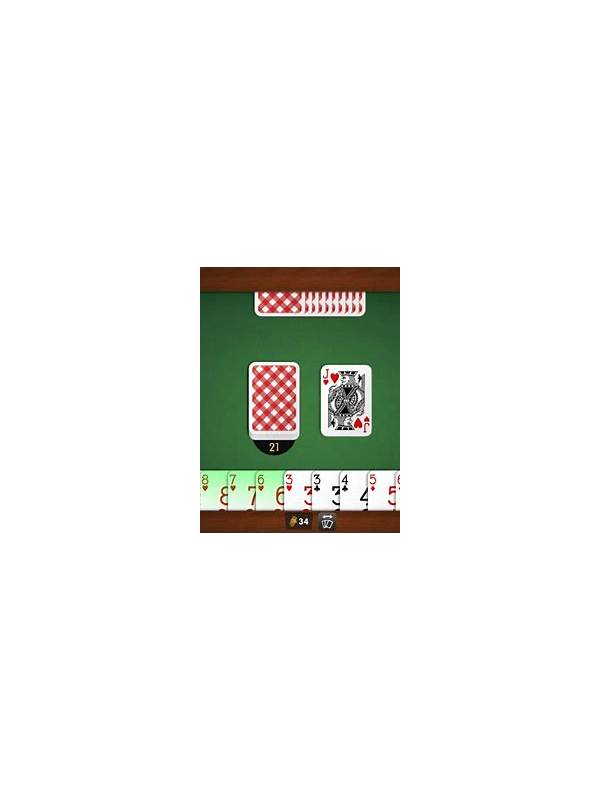
A hand does not need a fixed plan for every card. In fact, assigning each card to a permanent group too early can make a player miss better routes. A useful middle ground is to commit one part of the hand and leave another part flexible.
Start with the clearest structure. A pure sequence already in place, a strong three-card run, or a pair supported by multiple possibilities can serve as the committed part. Protect it unless new information makes it clearly inferior. The remaining cards should be evaluated for connections rather than forced into an immediate group.
Flexible cards are not cards you keep forever. Set a review point after each draw. If a flexible card gains a neighbor, promote it into a plan. If it remains isolated while carrying points, release it. This gives the hand room to develop without allowing uncertainty to become clutter.
The approach is especially useful when you have two competing routes. Perhaps one suit offers a partial sequence and two ranks offer a possible group. Keep the route with the stronger legal value, then use the other cards to test what the next draw provides. Avoid discarding a connector merely to make the hand look tidy.
Pay attention to the required structure. A flexible group cannot replace a pure sequence when the rules demand one. Reserve enough space and attention for that requirement before experimenting with secondary combinations. A visually neat hand can still be invalid.
Your discard should usually come from the least promising part of the flexible section. Compare point cost, number of completing cards, and whether the card helps an opponent. Do not make the choice solely because a card has been held for several turns; time invested is not a reason to continue.
This method works best with a calm review habit. If frustration makes every new card feel urgent, take a break. Keep play affordable, use practice hands to learn the structure, and treat each decision as an estimate rather than a promise. Flexibility is useful when it leads to simplification, not when it becomes an excuse to hold everything. n+An easy review signal is the number of genuinely useful draws. If the flexible section has only one narrow improvement left, it is no longer flexible in practice. Release it when a safer card or a clearer required sequence is available, even if the original idea looked elegant.