
Rummy Safety: Verify Withdrawal and Support Rules Before Playing
Also check whether the service explains account closure, self-exclusion, and complaint escalation. These policies are part of the safety picture, especially if play stops being enjoyable or begins to feel difficult to control. Do not treat a bonus, countdown, or promotional message as a reason to skip verification. A trustworthy decision is one you can make after reading the conditions, without urgency or pressure from a representative.
Before using any online rummy service, read its transaction and support information as carefully as its game description. A smooth registration screen does not tell you how withdrawals work, what identity checks may be required, or how long a dispute can remain open. These details matter even when you intend to play only casually. Treat them as safety information rather than fine print to ignore.
First, locate the official help, payments, and responsible-play pages inside the service. Confirm which payment methods are supported in your location and whether deposits and withdrawals use the same method. Look for minimum and maximum amounts, processing stages, fees, and possible verification steps. Do not rely on a message from an unknown account or a search result that promises special access. If the rules are unclear, pause before depositing anything.
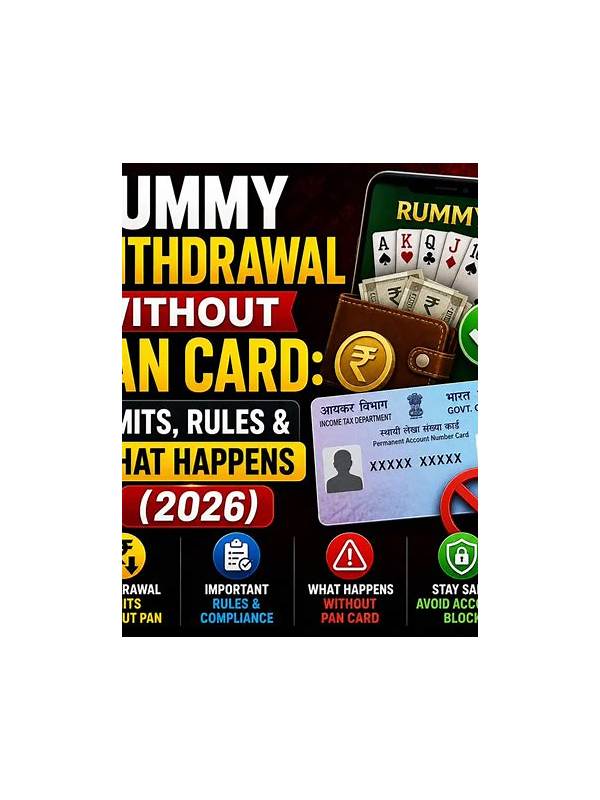
Next, inspect the identity policy. A legitimate service may request documentation to meet legal or anti-fraud obligations, but it should explain what is collected, why it is needed, and how it is protected. Never send identity documents through an unsolicited chat or to a personal email address. Use the platform’s verified support channel, and keep a private record of your own request number without posting it publicly.
Test the support process with a non-sensitive question before committing money. Note whether the channel is clearly official, whether the answer addresses the question, and whether the terms point to a written policy. Be cautious if a representative asks for a password, one-time code, remote device access, or a transfer to unlock a transaction. Support should not require secrecy or urgency.
Finally, check local rules and set a personal spending limit. Product availability and gaming law can differ by jurisdiction, and no article can determine your legal position for you. Use only funds you can afford to lose, and stop if a transaction creates pressure to continue. A few minutes of verification cannot guarantee a perfect service, but they reduce preventable risk and give you a clearer basis for deciding whether to play at all.


