
Rummy How-To: Keep a Public Discard Reading Journal
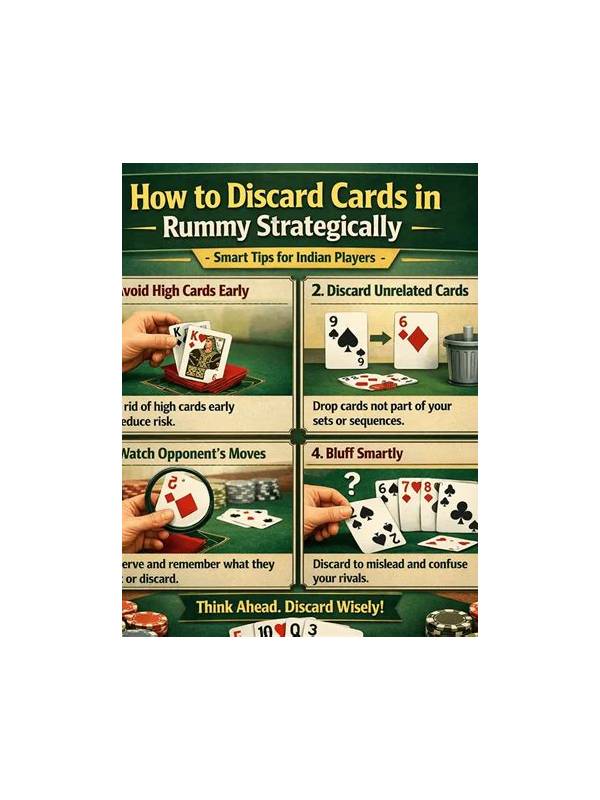
Choose a consistent notation, such as a check mark for a confirmed fact and a question mark for an interpretation. Review only a few entries at a time so the exercise stays manageable. If the table moves quickly, write nothing during play and reconstruct the sequence afterward. The journal is meant to improve memory and reasoning, not to create another source of pressure. Stop using it if it distracts you from legal play or respectful conduct.
A discard journal is a practice tool, not a record of secret information. Its purpose is to help you notice patterns in your own reading of the table. After each turn, record only what was openly visible: the card discarded, the approximate stage of the hand, and one neutral observation. Avoid writing that an opponent “must” need or avoid a card. The difference between evidence and interpretation is the main value of the exercise.
Use a small table with four columns: turn, visible discard, your response, and later outcome. The response column describes what you did, such as “kept a connected pair” or “released a high card.” The outcome column stays blank until more information appears. This prevents your first guess from becoming a fact. If the discard is later picked up, write that down. If it is ignored for several turns, record that too, without claiming to know the reason.
Keep the journal short enough to use during practice. A sentence after each turn is sufficient. During a live game, do not let note-taking slow the action or distract you from the rules. You can reconstruct a hand afterward from memory, a permitted history screen, or a practice layout. Never record or share private account information, player identifiers, or anything that violates a platform’s rules.
Review the page after the hand. Look for two kinds of errors. The first is an attention error: you missed a visible discard or remembered its rank incorrectly. The second is a reasoning error: you saw a fact but attached an overly confident story to it. Mark each with a simple symbol. Over time, the goal is not to predict opponents perfectly. It is to become better at saying, “This is known, this is possible, and this is still uncertain.”
Once a week, choose one recurring pattern to practice. You might focus on noticing when a useful-looking card is left untouched, or on remembering the order of high-value discards. Keep the review descriptive and nonjudgmental. A journal works when it improves attention and calibration. It becomes harmful when it encourages surveillance, pressure, or a belief that every discard reveals a complete plan.


