
Rummy FAQ: When Is a Sequence Too Expensive?
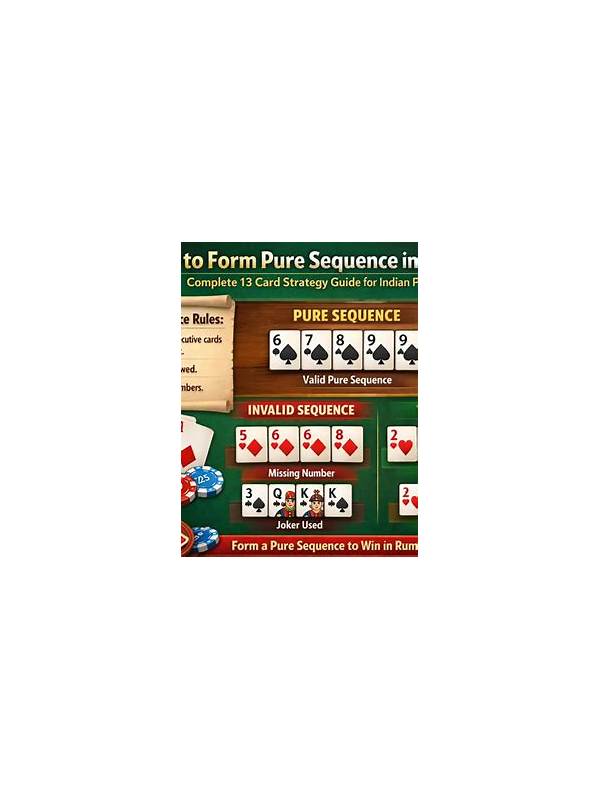
A sequence is not automatically a good plan just because two cards are connected. It may require several exact draws, occupy a flexible bridge, or keep high cards exposed while you wait. Calling a route “too expensive” means its likely benefit no longer justifies the cards, turns, and risk it consumes.
Start by counting what is missing. A sequence needing one of several cards is usually more resilient than one needing a single exact rank and suit. Then inspect the rest of the hand. If pursuing the route prevents you from building a required pure sequence or forces you to keep multiple high cards, its real cost is higher than the empty spaces suggest.
Time matters too. Set a review point before continuing a narrow route. After the next useful draw, ask whether the route improved, stayed unchanged, or became less plausible because related cards appeared in the discard pile. If it remains unchanged across several turns, release it unless a new fact materially changes the calculation.
Do not confuse a sequence’s length with its value. A long sequence may look impressive but can concentrate risk in one fragile arrangement. Two shorter legal groups may offer better flexibility, depending on the format. Always check the table’s exact declaration requirements before deciding which structure is acceptable.
A joker can lower the cost, but it does not erase it. Assigning a joker to one sequence may prevent it from solving a more urgent problem elsewhere. Compare the complete hand after the proposed placement, not just the attractive row in front of you.
The best test is practical: if the next draw misses, do you have a safe fallback? If the answer is no, the route is expensive even when it looks close. Releasing a costly sequence is not giving up; it is protecting the hand from a plan whose evidence has weakened. n+When you abandon the route, record what replaced it. The new plan might reduce points, complete a legal group, or preserve a better connector. This makes the decision constructive rather than merely defensive. A hand can improve even when a favored sequence is discarded. n+Keep the conclusion practical: name the evidence, note the trade-off, and choose a review point. This small habit makes the lesson transferable to another hand instead of tying it only to today’s cards. It also leaves room for the table’s exact rules and for different levels of experience.


