
Rummy Safety: Verify App Permissions Before Login
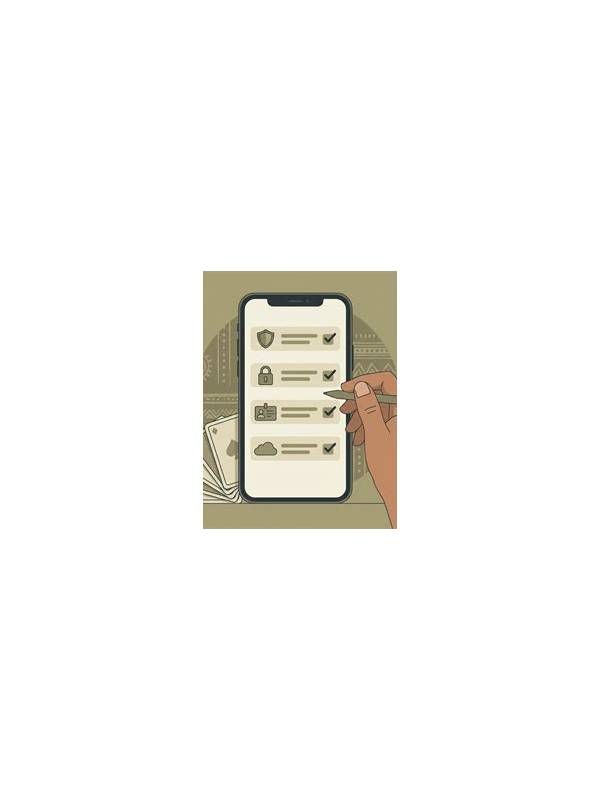
Before signing into a rummy app, review what the app asks to access and where it came from. Permission requests do not prove that an app is unsafe, but unnecessary access deserves questions. A short check is especially important when an app is installed outside a familiar official store or after receiving an unexpected download link.
Read the permission list in your device settings. A game may reasonably need network access and notifications, while requests for contacts, call history, accessibility control, or unrelated files may not be necessary for its stated function. If the explanation is unclear, pause before granting access. You can deny optional permissions and test whether the core app works without them.
Confirm the publisher, package details, update history, and privacy policy through a trusted source. Look for consistent spelling, a real support channel, and clear information about data collection. Do not rely on a logo or a familiar-sounding name alone. Cloned pages and lookalike apps can imitate branding while redirecting logins or payment details.
Protect the account itself with a unique password and device lock. Never share a one-time code, password, or recovery phrase with support staff or other players. If an app requests credentials through an unusual chat link, close the message and use the platform’s known support path instead. Keep the operating system and security updates current.
If you already granted excessive permissions, revoke them and review account activity. Change the password from a trusted device if you entered it into a suspicious page, and contact the relevant service through an independently verified channel. Avoid posting screenshots that expose personal information or transaction references.
Safe play begins before the first table loads. Permission review is not a guarantee of security, but it makes the app’s behavior more visible and gives you a chance to stop before private data or payment details are involved. n+Use the same caution when an app asks you to install a second utility, configuration profile, or remote-access tool. A normal game should not require another person to control your device. Decline unusual requests and verify them through documentation you found independently, not through a link supplied by an unknown sender. n+Keep the conclusion practical: name the evidence, note the trade-off, and choose a review point. This small habit makes the lesson transferable to another hand instead of tying it only to today’s cards. It also leaves room for the table’s exact rules and for different levels of experience.


