
Rummy How-To: Recheck a Nearly Complete Hand
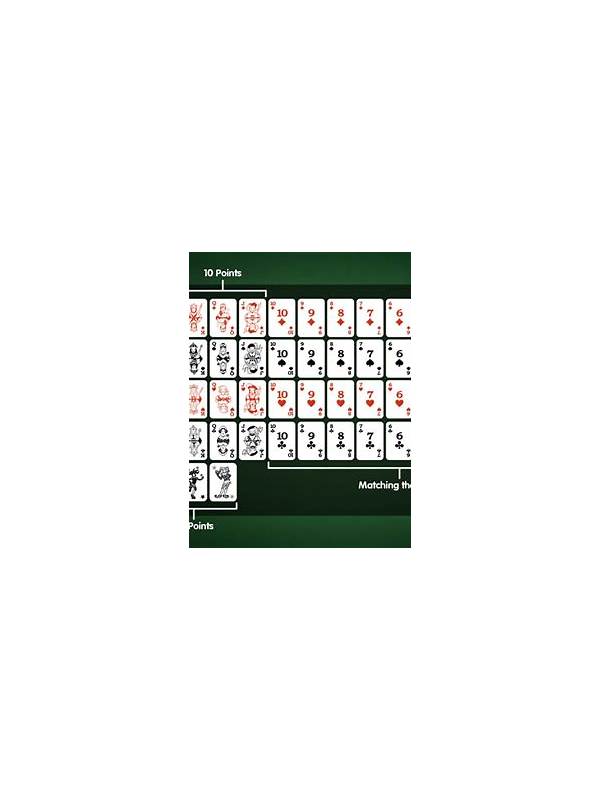
A nearly complete hand creates a dangerous sense of certainty. The cards look organized, so players stop checking whether the arrangement actually satisfies the variant’s rules. A short final audit can prevent an avoidable declaration error without slowing ordinary play.
First, identify every intended sequence and group separately. Do not rely on a visual line of cards. Say what each card is doing: these cards form one sequence, those cards form a group, and the remaining card has a defined place. If a card seems to belong to two structures, choose one and verify that the other structure still works.
Second, check the required minimums. Many rummy variants require a particular kind of sequence, a number of melds, or a pure sequence without a wild card. The exact requirements vary, so use the rules for your game rather than memory from another table. A hand can look complete and still fail because one essential category is missing.
Third, inspect special cards. Confirm that jokers or wild cards are being used in allowed positions and that a natural replacement is not required. Check ace treatment as well, since it may be low, high, or restricted. Never assume a familiar arrangement is legal under every ruleset.
Fourth, review the last discard and your declared action. Make sure you are not accidentally including a card that was supposed to be discarded, and verify that the number of cards in hand is correct. If the interface or table provides a confirmation step, read it instead of clicking through automatically.
The audit should be calm and brief. It is not a reason to delay when another player is waiting, but it is worth taking the few seconds that the rules permit. If you discover a flaw, simplify the hand immediately: protect the required structure, identify the missing card, and discard the least useful remainder.
Practice the same checklist after lost hands. Reviewing an invalid declaration is more educational than celebrating a lucky completion because it reveals which assumption failed. Over time, the audit becomes a habit that protects both your score and the clarity of your decisions.


