Rummy Safety: Keep a Transaction Record Without Saving Sensitive Data
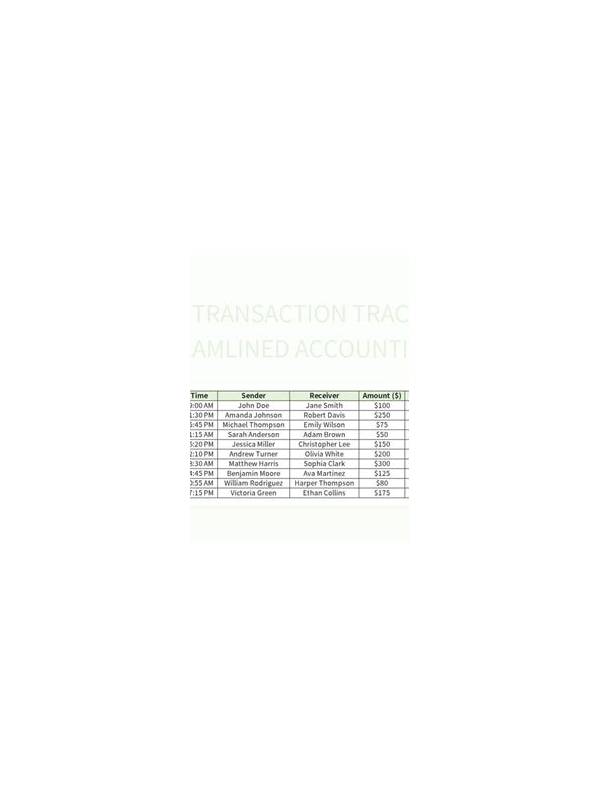
A simple transaction record can help you notice duplicate charges, missing credits, or an incorrect balance. It should not become a second store of sensitive information. The safest approach is to record enough context to identify an event while leaving out passwords, full payment numbers, one-time codes, and identity documents.
Choose a private note or budgeting tool that you already trust. For each event, record the date, approximate time, platform name, transaction type, amount, currency, and a short status such as pending, completed, or disputed. If the service provides a reference number, save only the reference or its final few characters if that is sufficient. Do not copy a complete card number, bank account number, login token, or verification code into the note.
Review notifications before writing an entry. An email or in-app receipt may be delayed, duplicated, or generated for an attempted transaction rather than a completed one. Compare the record with the official account history and your bank or wallet statement through the normal secure channel. If the details disagree, keep the discrepancy factual: “account history shows pending; bank shows completed.” Avoid guessing at the cause.
If you contact support, use the official help route reached from the app or verified website. Support may request identifying information, but never send a password or one-time code. A legitimate representative should not need those secrets to prove ownership. Be cautious of unsolicited messages that demand immediate payment or ask you to move the conversation to an unfamiliar channel.
Set a retention rule. Keep records only as long as they help with reconciliation, budgeting, or a genuine dispute. Delete unnecessary screenshots, especially those showing names, addresses, balances, or payment details. If you must retain evidence, redact irrelevant information before saving it.
The goal is accountability with minimal exposure. A concise log gives you a timeline and makes errors easier to describe, while careful omission limits the damage if the note or device is accessed by someone else.
Separate routine budgeting from support evidence. A budgeting note may need only the amount and date, while a genuine dispute may require an official receipt stored in a protected account. Do not send a collection of screenshots just because a message requests them. Start with the minimum information needed and add detail through the service’s secure upload process only when the official support instructions require it. If a record must be shared, remove unrelated account details before sending it and check the recipient address carefully. Keep local copies in a protected location rather than a shared photo stream. These small controls preserve the usefulness of a timeline while reducing the amount of information exposed during an ordinary account question.