Rummy Strategy: Compare Completion Routes by Card Demand
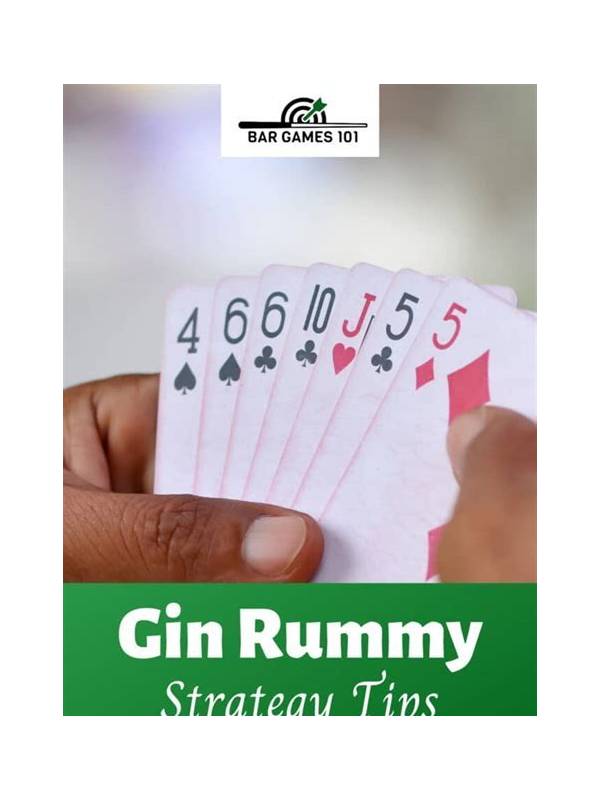
When a hand has several possible arrangements, count card demand before choosing a route. A route is a proposed way to organize the cards into legal groups. Two routes may need the same number of new cards, but one may accept more ranks or suits and therefore offer better flexibility.
List the missing cards for each route. A sequence with one exact missing rank has a narrow demand. A pair that can become a set through several matching ranks has a broader demand. A route may also have shared demand, where one missing card helps two ideas. Shared demand looks efficient, but it can create conflict if both groups need the same card.
Next, consider the cost of failure. If a route fails, which cards become isolated? High-value stranded cards increase the downside. A route with slightly broader demand may be preferable because its failure leaves low-cost cards that can be discarded. Do not focus only on the attractive best case.
Use visible discards as a modest adjustment. If several cards needed by a narrow route have already appeared, reduce its priority. If the information is incomplete, keep the route as a possibility but lower your confidence. Never treat a card as guaranteed to be available merely because you have not seen it.
Give each route a time limit. After another draw, recalculate the demand and compare the opportunity cost of keeping the cards. If the route remains narrow while another structure becomes more flexible, switch deliberately. A written or mental deadline prevents a promising idea from occupying the hand indefinitely.
This method is especially useful in practice sessions. Pause at the same point in several hands and compare your chosen route with the route you rejected. The purpose is not to prove that one route always wins; it is to learn which evidence you overlook when choosing quickly. Card demand turns a vague feeling of “this looks good” into a clearer decision.
Do not count every theoretical card as equally useful. A card may complete one route while damaging a secure group elsewhere, or it may be difficult to recognize before another player finishes. Give more weight to cards that improve a legal group without creating a new liability. The goal is disciplined comparison, not perfect probability calculation.
If two routes remain close, choose the one that leaves a lower-cost fallback. A good fallback turns an uncertain draw into a manageable decision.