Rummy How-To: Use a Three-Stage Hand Map
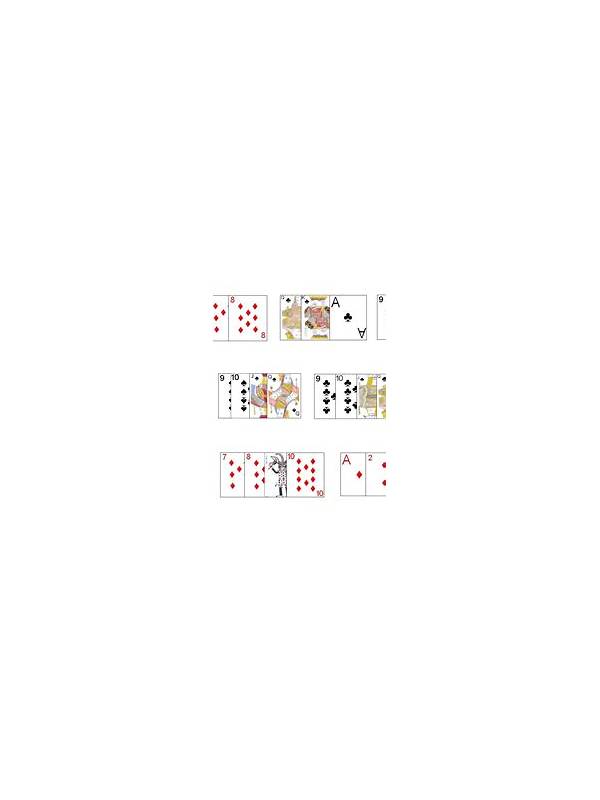
A hand map is a quick description of what each card is doing. The three-stage version uses secure, developing, and expendable categories. It is useful because it prevents one attractive pair from receiving the same protection as a required pure sequence.
Secure cards already belong to a legal combination or support a requirement you can verify. Developing cards have a plausible route to a combination but still need evidence. Expendable cards are isolated, redundant, or costly to hold. These labels are temporary; a draw can move a card from one stage to another.
To build the map, first arrange the cards by suit and rank. Mark the secure groups before considering new ideas. Then identify developing relationships and write the missing rank or ranks beside them. Finally, mark cards that do not support a realistic combination. If too many cards are marked developing, the hand may be overcommitted to possibilities rather than progress.
Use the categories to set priorities. Secure cards should be disturbed only when a legal arrangement clearly improves. Developing cards compete for limited space, so compare their flexibility and completion cost. Expendable cards are the first discard candidates, but check whether one is protecting a valuable visible pattern for another player. The map informs a decision; it does not replace observation.
Refresh the map after each draw and discard. A developing link that receives no support can become expendable. An isolated card may become useful when a matching rank arrives. Do not keep an old label merely because you wrote it down earlier. The purpose of the map is to make current evidence visible.
Near the end of the hand, narrow the map. Secure groups remain, while developing groups need a final test: can they become legal with the cards you reasonably expect to see? If not, release them and protect a simpler structure. Before declaring, remove the labels and inspect the actual groups against the rules. A map helps organize thought, but the final hand must stand on its own.
After a surprising draw, ask which single category the card changes. If it only affects a developing group, leave the secure structure undisturbed. If it completes a secure group, reassess the remaining cards from the beginning. This controlled update prevents a lucky draw from causing unnecessary movement and keeps your reasoning traceable when you review the hand later.
The map should support attention, not consume it. If making the labels takes longer than the decision, use only secure and uncertain as temporary categories.