Rummy How-To: Make a Table-Ready Preplay Check

A calm rummy session begins before the first hand. A preplay check takes only a few minutes and prevents avoidable confusion about rules, limits, and attention. It is especially useful when switching between platforms or formats, because familiar words can hide different scoring or declaration requirements.
Start with the rules. Confirm the hand size, number of decks, joker treatment, valid declaration requirements, and penalty for an invalid declaration. If the format has points, pool, or deals variations, make sure you know which one is active. Never rely on memory from another table. A quick review is faster than discovering a rule difference after committing cards.
Next, set a session boundary. Decide how long you will play, how many hands you will complete, or what amount is available if the format involves money. Use account controls where offered, and do not treat a limit as a target to reach. If the session stops when the limit is reached, write that down before you begin. Avoid making changes while you are already involved in a hand.
Check your environment. Silence unnecessary notifications, charge the device, and use a stable connection. Do not play while driving, working, or handling an important responsibility. Keep water nearby and make sure you can take a break without feeling pressured to continue. A focused table is easier to read than a distracted one.
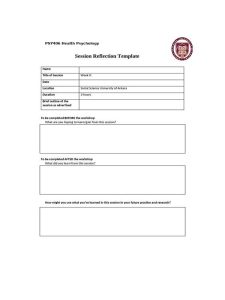
Set one skill intention, such as reviewing discards, testing a stop rule, or practicing a two-pass sort. One intention is enough. A long list of goals can create more pressure than learning. After the session, note whether the intention affected your decisions and whether the format remained enjoyable.
Finally, identify the exit condition. It might be the end of the planned time, rising frustration, fatigue, or a loss of concentration. Stopping is part of the plan, not evidence that the session failed. A preplay check protects both the quality of your decisions and the boundaries around the game.
This routine is simple enough to repeat. Rules, limits, environment, intention, and exit condition form a reliable five-part check for a more deliberate session.
Keep the check visible but discreet. A short note beside the device is enough. Personal financial or account details should remain private. Preparation should improve focus without adding social pressure.
If any part of the check fails, delay the session instead of compensating with optimism. A weak connection, unclear rules, or missing limit is a practical reason to wait. The game will still be available when the basic conditions are in place, and the extra minute can prevent a much longer problem.