Rummy Safety: Spot Tilt Before It Changes Your Decisions
Tilt is a state in which frustration, excitement, or disappointment starts to influence decisions more than the hand itself. It can happen after a bad beat, a disputed rule, or a sequence of unlucky draws. Spotting it early is a practical safety skill because small emotional changes can affect session length, stake choices, and willingness to chase losses.
Watch for changes in behavior rather than judging yourself for having emotions. Common signs include making decisions faster than usual, reopening a hand you already evaluated, increasing stakes to recover a loss, or continuing after you planned to stop. You may also notice physical cues such as tense shoulders, shallow breathing, or repeatedly checking the balance instead of the cards.
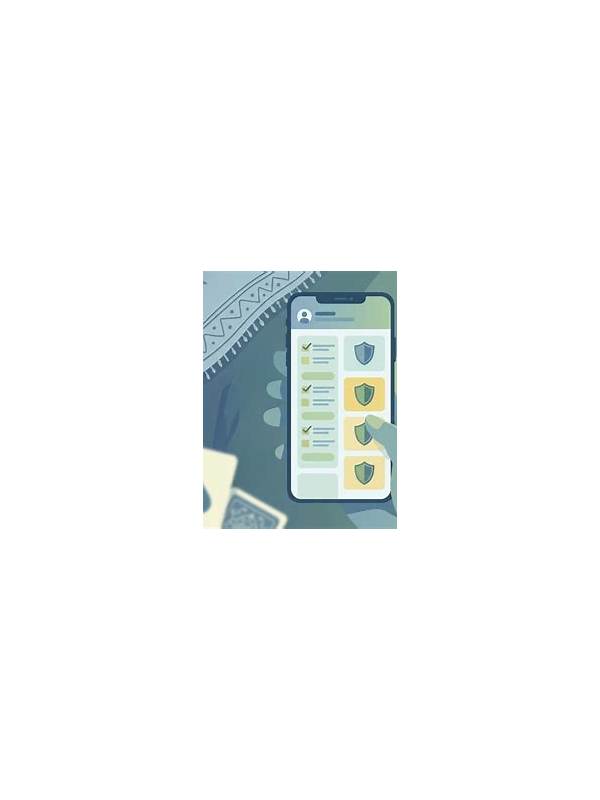
Create a personal warning list before playing. Choose three signs that are easy for you to recognize. For example: “I stop checking discard risk,” “I add funds outside my plan,” and “I feel I must win the next hand.” The list should be specific and observable. Vague rules such as “stay calm” are difficult to apply when attention is already narrowed.
Attach an immediate action to each sign. If you notice rushed decisions, take one full breath and review the hand from the beginning. If you notice a spending change, stop play and close the payment screen. If you feel compelled to recover a loss, take a timed break away from the table. A pause is not a punishment or a prediction that you will lose; it is a way to return choice to your process.
Keep safety limits separate from mood. Decide your time limit, spending limit, and stopping conditions while you are clear-headed. Do not renegotiate them in the middle of a frustrating session. If the platform provides deposit, loss, or cooling-off controls, set them in advance and learn how they work before you need them. Never borrow money or use essential household funds to continue playing.
After a pause, ask three neutral questions: Am I following the plan I set? Would I make the same decision if the previous hand had been a win? Can I stop now without trying to repair the result? If the answer to any question is no, ending the session is the safer choice. A result cannot be repaired reliably by extending play while upset.
Review the episode later, when the emotion has passed. Note the first warning sign, the action you took, and what would make the next pause easier. Keep the review short and private. The goal is not self-criticism; it is to improve your early-warning system. Healthy play includes the ability to step away, protect your limits, and return only when participation is genuinely optional.