Rummy Comparison: Drawing From the Deck Versus Taking the Discard
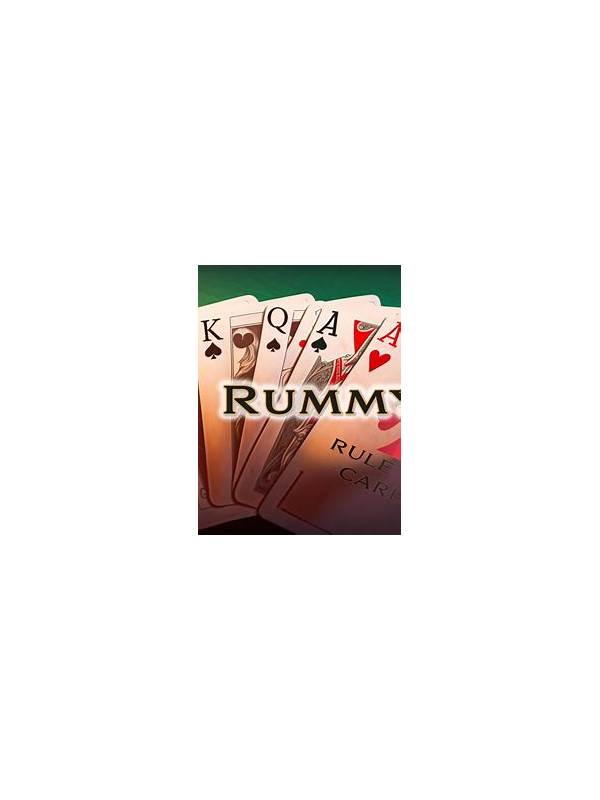
Choosing between the closed deck and the open discard pile is a recurring rummy decision. The discard pile offers a known card, but taking it may reveal your direction. The closed deck hides the next card, yet it keeps your plan less visible. Neither source is automatically better; the choice depends on usefulness, risk, and information.
Start with the card itself. If the visible discard completes a valid group or turns a strong two-card connection into a sequence, its immediate value may justify taking it. If it only creates another speculative pair, the certainty may be less important than preserving flexibility. A known card is useful only when it improves the hand in a realistic way.
Then consider what the pickup tells the table. Taking a card from the discard pile may show its suit, rank, or the direction of your plan. That signal can be harmless when you are already close to completion, but it can be costly when opponents can easily infer what to avoid giving you. Do not reject every informative pickup; simply include the information cost in the comparison.
The closed deck has its own trade-off. You may draw a card that helps, but you may also receive another isolated high card. It provides less information to opponents, though your following discard can still offer a clue. If your hand has several flexible plans, the hidden draw can preserve options. If your hand needs one exact card, the visible pile deserves closer attention.
Rules and table behavior matter too. Some formats limit which discard can be taken or change the penalty for a failed declaration. Confirm the rules before relying on a general principle. Also observe whether the discard pile is growing quickly; a card buried under newer discards may not remain available.
Use a three-part question: Does the visible card materially improve my hand? What signal does taking it send? What do I risk by choosing an unknown card instead? Answering these in order keeps the decision grounded. The best pickup is the one that improves your route while leaving a sensible fallback if the next draw is unhelpful.
If the visible card does not materially improve the hand, leaving it can be strong even when it would be pleasant to own. Conversely, a clear improvement should not be rejected simply to appear unpredictable. Use concealment after considering your own route.
When the choice is still close, prefer the source that leaves your hand easier to read on the next turn. A clear structure reduces mistakes and makes it simpler to reassess. The best decision is often the one that improves both the cards and your ability to notice what happens next.